Austins Clean Cars Auto Detailing Blog
How Professional Detailing Affects Your Vehicle's Resale Value
If you're like most professionals in Southern Indiana, your vehicle represents a significant financial investment. Maybe you lease a new car every three years, or perhaps you buy and sell strategically to minimize depreciation. Either way, you're probably thinking about resale value from day one.
Here's something worth considering: the condition of your vehicle when you sell it can swing the final price by hundreds or even thousands of dollars. A well-maintained car with a documented care history doesn't just sell faster - it commands better offers from both dealers and private buyers. The difference between "good condition" and "excellent condition" on pricing guides isn't just semantics. It's real money that either stays in your pocket or gets left on the table.
Professional detailing resale value impact goes beyond making your car look pretty for photos. It's about preserving the asset you've been driving around Jeffersonville, Louisville, and beyond. When buyers see a vehicle that's been properly cared for, they're willing to pay more because they're betting on fewer problems down the road. Let's break down exactly how detailing affects what you'll get when it's time to upgrade.
The Numbers Behind Vehicle Condition and Pricing
Walk into any dealership or browse Kelley Blue Book, and you'll see vehicles categorized by condition: excellent, good, fair, and poor. These aren't just arbitrary labels. They represent real pricing tiers that directly affect your bottom line.
According to industry pricing data, the gap between "good" and "excellent" condition typically ranges from 10% to 15% of the vehicle's total value. For a car worth $25,000 in good condition, that's $2,500-$3,750 sitting on the table. The difference comes down to visible wear, interior condition, paint quality, and overall presentation. All things that regular professional detailing addresses.
Consider how dealers evaluate trade-ins. They're looking at your car through a buyer's eyes, calculating reconditioning costs:
- Swirl marks in the paint mean a professional buff job
- Stained carpets require shampooing or replacement
- Scratched trim pieces get swapped out
- Worn leather needs conditioning or reupholstery
Every flaw they spot becomes a deduction from your trade-in offer because it's money they'll spend making your car sellable.
Private sales follow similar logic, just with more emotion involved. Buyers who see a meticulously maintained vehicle assume the owner cared about everything - oil changes, tire rotations, and maintenance schedules. That assumption translates into confidence, and confidence translates into better offers. The seller who shows up with a car that smells fresh, shines under the sun, and looks cared for has already won half the negotiation.
Regional factors matter too. In markets like Louisville and Southern Indiana, buyers tend to scrutinize conditions carefully because they know what the weather does to vehicles. Road salt eats paint, humidity breeds mold, and sun fades interiors. A car that's obviously been protected against these elements stands out immediately.
First Impressions Set the Entire Negotiation
You don't get a second chance at a first impression, and nowhere is that more true than selling a vehicle. Whether you're pulling into a dealership lot for a trade-in appraisal or meeting a private buyer in a parking lot, the first 30 seconds shape everything that follows.
Dealers see dozens of trade-ins every week. Most show up dusty, cluttered with personal items, and showing obvious wear. When yours arrives looking like it just rolled off their detail bay, you've immediately separated yourself from the pack. The appraiser's mental starting point shifts higher because they're not mentally calculating reconditioning costs before they even pop the hood.
Private buyers are even more influenced by presentation. They're often nervous about buying used, worried about inheriting someone else's problems. A car that looks neglected on the outside triggers assumptions about mechanical neglect, too. Fair or not, buyers think: "If they couldn't be bothered to clean it, what else didn't they bother with?"
The reverse is equally powerful. Show up with a vehicle that's been professionally detailed, and suddenly you're the responsible owner who probably has maintenance records organized and oil changes done on schedule. The buyer relaxes because everything they see suggests careful ownership. That emotional shift is worth real money when offers start getting discussed.
Interior condition might matter even more than exterior for this first impression effect. Buyers spend the test drive inside your car, touching surfaces, smelling the air, and noticing every stain and scuff. A cabin that's been properly cleaned and conditioned feels newer than it is. Leather that's been maintained stays supple. Carpets free of stains suggest gentle use. These details compound into an overall sense of quality that justifies premium pricing.
Documentation Adds Measurable Value
Smart buyers don't just look at the car - they want to see proof of how it's been maintained. Receipts for oil changes, records of tire rotations, and documentation of repairs. These papers tell a story about ownership, and that story affects what people will pay.
Here's where professional detailing creates unexpected value: it adds to your maintenance documentation. Services logged to Carfax create a verifiable history of care. When a potential buyer pulls the vehicle history report and sees regular professional detailing alongside scheduled maintenance, they're looking at evidence of an owner who took vehicle care seriously.
This documentation effect is particularly strong with certain buyer types. The same professionals who'll pay premium prices are also the ones most likely to check Carfax before making an offer. They want data, not promises. Seeing professional detailing in the service history provides that data. It suggests the interior's been protected from wear, the paint's been maintained against environmental damage, and the overall vehicle's been treated as an asset worth preserving.
Think about it from their perspective: would you rather buy from someone who has three years of professional detailing receipts or someone who claims they "always took good care of it" but has no documentation? The receipts remove doubt. They transform subjective claims into objective proof.
This becomes especially valuable if you're selling to another professional who thinks as you do. They understand ROI. They appreciate documentation. They recognize that someone who invested in regular professional detailing probably wasn't skipping oil changes or ignoring maintenance lights. The detailing records become a proxy for overall vehicle stewardship.
Professional Standards vs DIY Appearance
There's detailing, and then there's professional detailing. The difference becomes obvious when you're trying to maximize resale value.
A weekend spent washing your car in the driveway accomplishes basic cleanliness. You'll get the visible dirt off, maybe vacuum the interior, and wipe down surfaces. But professional detailing operates at a different level entirely. It addresses problems you might not even notice - embedded contaminants in the paint, oxidation beginning to dull the clear coat, stains setting into upholstery, and trim pieces starting to fade.
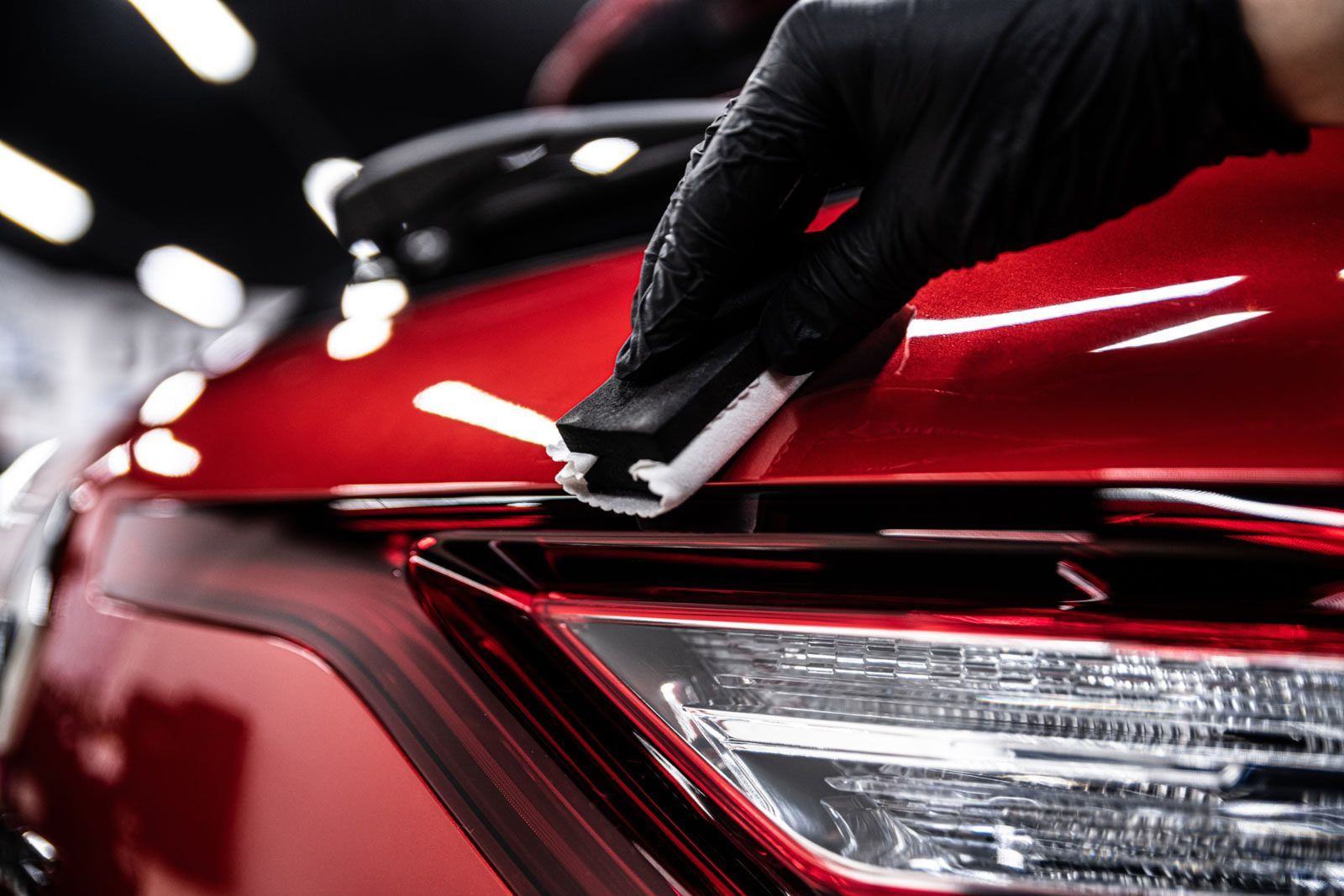
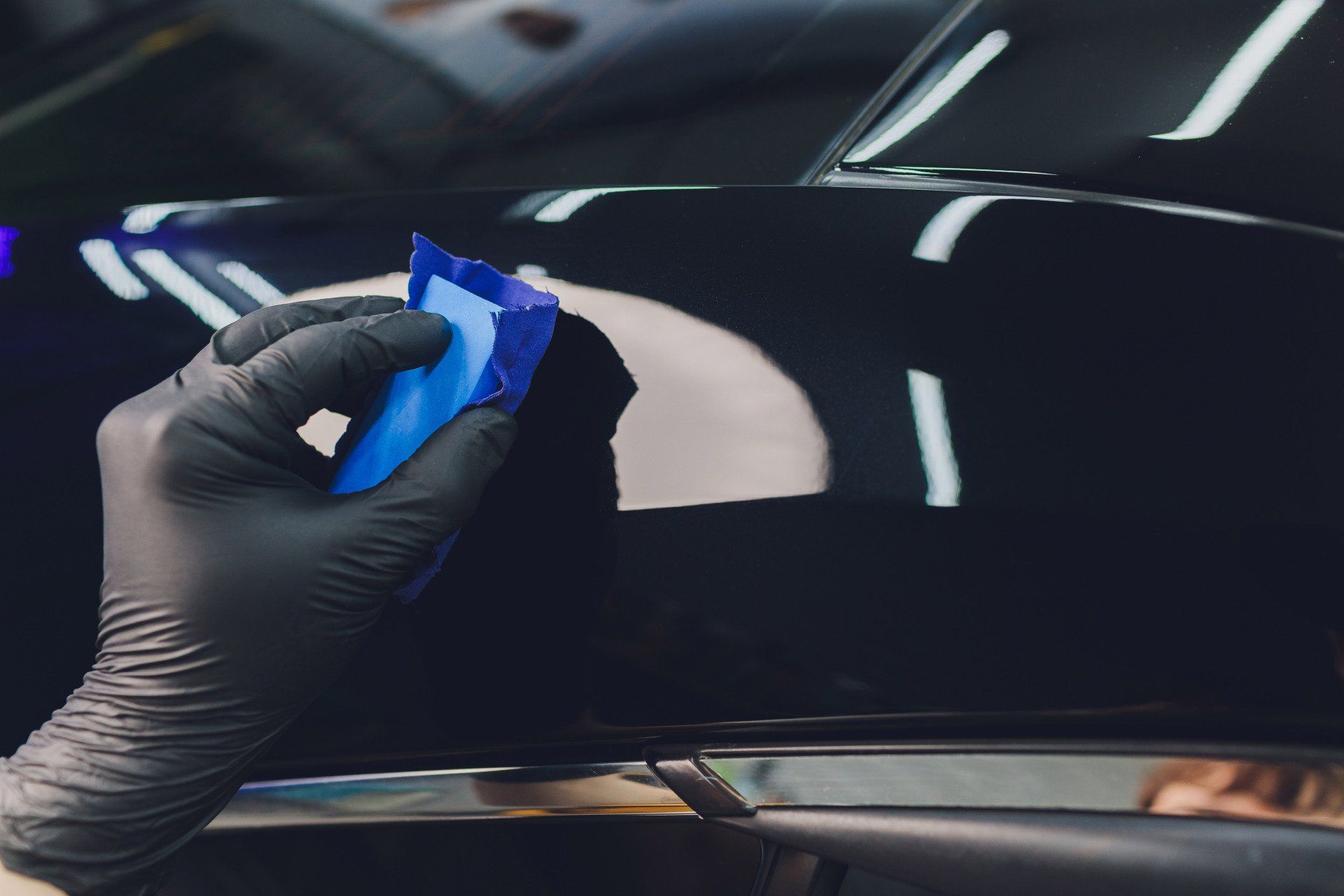
These issues don't happen overnight. They accumulate gradually over months and years of use. By the time they're obvious to you, they're already affecting value. Professional detailing catches them early, when they're still reversible. Clay bar treatment removes contaminants before they etch the paint. Proper shampooing lifts stains before they become permanent. Leather conditioning prevents cracking before it starts.
The results show up clearly when you're ready to sell. A professionally maintained vehicle simply looks newer than one that's been given occasional DIY washes. The paint has more depth. The interior feels more cared for. Trim pieces haven't faded to gray. Wheels are free of brake dust etching. These details individually seem small, but collectively they create the "excellent condition" designation that commands premium pricing.
Buyers can tell the difference, even if they can't articulate exactly what they're seeing. They compare your vehicle to others in their price range and notice yours looks better. That better appearance translates directly into their willingness to pay more. They're not just buying transportation - they're buying confidence that this car has been properly maintained.
Consider what professional detailing includes that DIY washing doesn't:
- Paint decontamination with clay bars that remove embedded contaminants
- Multi-stage interior cleaning that reaches every crevice
- Proper leather treatment that prevents aging and cracking
- Engine bay cleaning that improves inspection impressions
- Wheel and tire detailing that addresses brake dust damage
Each element contributes to the overall impression of a well-maintained vehicle.
Paint Condition Drives Visual Value Assessment
Paint is the largest visual surface on your vehicle, and it's also one of the most expensive to repair or replace. How it looks dramatically affects perceived value.
New cars have perfect paint - deep gloss, uniform color, and no defects. Every year of ownership degrades that perfection through environmental exposure, wash-induced swirl marks, and minor impacts. By the time most vehicles hit the resale market, their paint tells a story of neglect or care, depending on how they've been maintained.
Swirl marks are probably the most common paint defect on used vehicles. They're those fine scratches you see under direct light, usually caused by improper washing or drying techniques. They scatter light instead of reflecting it cleanly, making paint look dull and old. Buyers notice, even if they don't know what they're looking at. They just know the car doesn't shine like newer vehicles on the lot.
Paint correction services address these defects by carefully removing a minimal amount of clear coat to level the surface. The result is paint that looks years younger than it actually is. When buyers compare vehicles, the one with corrected paint immediately looks better maintained. That visual superiority justifies asking prices at the top of the market range.
Oxidation represents another value killer for paint. This is what happens when UV exposure breaks down the clear coat over time, leaving paint looking chalky and faded. It's particularly common on horizontal surfaces like hoods and roofs that get maximum sun exposure. Once oxidation sets in, it broadcasts "old" to anyone looking at the vehicle. Preventing it through proper protection maintains the visual appeal that supports higher pricing.
Protection matters as much as correction. Ceramic coating creates a sacrificial layer that takes the beating from environmental exposure instead of your factory paint. Over the years of ownership, that protection prevents the gradual degradation that would otherwise occur. When you're ready to sell, you've got paint that still looks fresh instead of tired.
Think about the buyer's mental calculation when they see great paint versus degraded paint. Great paint suggests the car's been garaged, carefully driven, and properly maintained. Degraded paint suggests outdoor storage, possible neglect, and a higher risk of other problems. Same vehicle, different assumptions, different offers.
Interior Condition Creates Emotional Responses
While paint affects first visual impressions, interior condition determines how buyers feel during test drives. And feelings drive purchasing decisions more than most people admit.
Walk into a vehicle with stained seats, worn trim, and lingering odors, and you're immediately thinking about the cost to fix those problems. Maybe you're also questioning what else has been neglected. The emotional response is negative, creating mental resistance to paying the asking price.
Now walk into one with pristine leather, fresh-smelling carpets, and surfaces that look barely used. Suddenly, you're imagining yourself owning this car. The emotional response is positive, making the asking price feel more reasonable. You're not fighting against negative impressions - you're being drawn toward purchase.
Professional interior detailing creates that positive response. Steam cleaning reaches into fabric fibers to remove embedded dirt and odors that regular vacuuming misses. Leather conditioning keeps seats supple and prevents the cracking that screams "high mileage." Proper treatment of plastic and vinyl surfaces prevents the fading and wear that makes interiors look older than they are.
These services matter more for resale than most owners realize. A buyer might accept minor exterior imperfections - after all, the car's been driven. But the interior condition suggests how the car's been treated when nobody was looking. Pristine interior equals careful owner. Worn interior equals hard use. The pricing follows these assumptions.
Odors deserve special attention because they're instant deal-killers for many buyers. Smoke smell, pet odors, or mildew can't be hidden during a test drive. Buyers who notice them immediately devalue the vehicle or walk away entirely. Professional odor elimination addresses these problems at their source rather than just masking them. That thoroughness shows up in buyer confidence and final offers.
Consider the test drive experience from the buyer's perspective. They're sitting in your seats, touching your steering wheel, and breathing your cabin air. Every positive sensory input during those minutes builds their desire to own the vehicle. Every negative input creates objections and pricing resistance. Professional detailing stacks positive inputs to support maximum value.
Southern Indiana Market Considerations
Geographic location influences what buyers care about when evaluating used vehicles. In Southern Indiana and the Louisville area, certain factors matter more than they would in other markets.
Weather takes a toll here, and local buyers know it:
- Winter road salt attacks paint and undercarriages
- Summer humidity breeds mold and mildew
- Spring pollen coats everything
- Harsh winters create interior wear from boots and salt
Buyers in this market look for evidence that vehicles have been protected against these challenges. A car showing obvious environmental damage signals potential problems. One that's been shielded through proper care suggests lower risk.
Road conditions factor into the evaluation, too. Anyone who's driven around Jeffersonville or Louisville knows what potholes and rough pavement do to wheels. Curb rash and wheel damage are a common sight on used vehicles in this area. A car with pristine wheels and tires immediately stands out because it suggests careful driving and proper maintenance. Professional wheel detailing removes brake dust, etching, and minor imperfections, presenting wheels in their best possible condition.
Regional buyer preferences tend toward practical concerns over luxury features. People here want vehicles that'll handle weather, hold value, and not cause problems. They're willing to pay for the condition because the condition predicts reliability. This mindset makes professional detailing particularly valuable - it provides visible evidence of the careful ownership that buyers in this market specifically seek.
The used vehicle market in Southern Indiana also moves differently from some other regions. Private sales are common, meaning you're often dealing directly with buyers rather than just trading with dealers. These individuals care deeply about presentation because they're putting their own money on the line. They'll compare your vehicle to others in similar price ranges, and condition becomes the tiebreaker. Professional detailing gives you the edge in those comparisons.
Local factors like garage availability matter too. Many buyers in suburban and rural areas have garages and expect previous owners to have used them. A vehicle that looks like it's been stored outside shows sun damage, water spotting, and environmental wear. One that's been garage-kept and professionally maintained demonstrates the level of care local buyers specifically value.
Creating a Value Preservation Strategy
Smart vehicle ownership isn't just about buying right - it's about maintaining value throughout your ownership period. Professional detailing should be part of that strategy from the beginning.
Think about detailing as preventive maintenance for your vehicle's appearance. Regular services prevent the gradual degradation that becomes expensive to reverse later. Paint protection keeps your exterior looking newer, longer. Interior treatments prevent stains from setting and materials from aging. These ongoing investments compound over time into significantly better condition when you're ready to sell.
The ROI math is pretty straightforward. Professional detailing a few times per year might cost a few hundred dollars annually. Over three to five years of ownership, that's maybe $1,000-$2,000 invested. The return comes at sale time when your vehicle commands premium pricing because of its condition. Remember that 10-15% gap between good and excellent condition? On a $25,000 vehicle, you're looking at $2,500-$3,750 in additional value. The detailing investment pays for itself multiple times over.
Timing matters for this strategy. Don't wait until you're ready to sell to think about detailing. By then, some damage is permanent. Stains that have sat for years might not fully come out. Paint that's been oxidizing for 50,000 miles might need expensive correction. Leather that's been drying out won't fully recover. Start professional detailing early in your ownership and maintain it throughout. The preservation you achieve is far more valuable than the restoration you'll need later.
Documentation should be part of your value preservation approach. Keep receipts from professional detailing services. Record them in your maintenance log. When services get reported to Carfax through certified detailers, make sure those records are associated with your vehicle. This paper trail becomes valuable when you're demonstrating ownership quality to potential buyers.
Consider your intended ownership period when planning detailing frequency:
- Leasing for three years? Regular detailing ensures you avoid excessive wear charges at turn-in.
- Planning to keep a car for five years, then sell? Consistent professional care maintains the premium condition that maximizes resale.
- Buying a future classic you'll keep long-term? Proper detailing preserves originality and prevents aging that could affect collectible value decades from now.
Making Detailing Work for Your Financial Goals
Professional detailing makes sense as part of a broader vehicle value strategy, but only if you approach it thoughtfully. Here's how to make sure your investment pays off:
1. Start Early The best time to begin professional detailing is right after purchase. New paint is easier to protect than damaged paint is to restore. Fresh interiors are simpler to maintain than worn cabins are to rejuvenate.
2. Be Consistent Occasional detailing helps, but regular service maintains value more effectively. Quarterly or semi-annual professional detailing keeps your car in excellent condition throughout your ownership.
3. Match Services to Your Needs Not every vehicle requires every service every time. Work with professionals who'll assess your specific situation and recommend what actually makes sense. Maybe you need paint correction before applying protection. Perhaps your interior just needs maintenance cleaning rather than full restoration.
4. Document Everything Save receipts, take before-and-after photos, and keep records organized. When you're ready to sell, this documentation becomes part of your value story. Buyers want proof of claims, and you'll have it.
5. Think Long-Term Professional detailing isn't about making next month's payment - it's about protecting the equity you'll extract when you move to your next vehicle. The investment compounds over time into significantly better condition and meaningfully higher resale value.
Ready to Protect Your Vehicle Investment?
Your vehicle represents thousands of dollars in capital that you'll eventually want to recover. The difference between getting fair value and getting premium value when you sell comes down to condition - how it looks, how it presents, and what that presentation says about your ownership.
Professional detailing isn't an expense - it's an investment in maintaining your vehicle's worth. It prevents the gradual degradation that erodes value. It creates documentation that buyers trust. It delivers the visual and tactile quality that commands top-tier pricing in any market.
At Austin's Clean Cars Auto Detailing, we understand that Southern Indiana professionals view their vehicles as financial assets. Our services are designed not just to make cars look good today but to preserve value for tomorrow:
- Paint protection that prevents aging and environmental damage
- Interior treatments that maintain like-new condition
- Documentation through Carfax reporting for buyer confidence
- Professional-grade equipment and certified techniques
- Honest recommendations based on your specific needs
We help you maximize the return on your vehicle investment.
Whether you're three months into a lease or three years into ownership, now is the right time to start preserving resale value. The sooner you protect your vehicle, the better condition it'll be in when you're ready to move on. Contact us to discuss a value preservation strategy customized for your specific vehicle and ownership timeline. Let's make sure when you sell, you get every dollar your car is worth.
Frequently Asked Questions
How much does vehicle condition actually affect resale value?
Industry data consistently shows that the condition creates 10-15% pricing gaps between good and excellent designations. For a vehicle worth $20,000 in good condition, excellent condition could mean $2,000-$3,000 more in your pocket. The impact is measurable and significant, especially for vehicles in the $15,000-$50,000 range, where most trade-ins and private sales happen. Condition affects both how quickly vehicles sell and what buyers are willing to pay. Dealers price excellent-condition cars higher on their lots, and private buyers make better offers when they see quality.
Does professional detailing really influence buyer decisions?
Absolutely. Buyers form impressions in the first 30 seconds of seeing a vehicle, and those impressions shape the entire negotiation. Multiple studies of used car purchasing behavior show that presentation quality directly affects perceived value. Buyers seeing two similar vehicles at the same price will consistently offer more for the one in better visual condition. Professional detailing creates that visual advantage by addressing issues most owners miss - embedded paint contamination, interior wear, and trim fading. The cumulative effect is a vehicle that simply looks more valuable than competitors.
When should I start professional detailing if I'm planning to sell in two years?
Start now. Waiting until you're ready to sell means you're in restoration mode instead of preservation mode. Restoration costs more and achieves less than consistent preservation. If you begin professional detailing immediately and maintain it quarterly or semi-annually, your vehicle will be in excellent condition when selling time arrives. You'll avoid the need for expensive paint correction or interior restoration. Plus, you'll accumulate the service documentation that adds credibility with buyers. The best preservation strategy starts from day one of ownership.
Is detailing worth it for older or high-mileage vehicles?
Yes, though the calculation changes slightly. Older vehicles won't command premium prices regardless of condition, but they'll still sell faster and for better money when they're well-presented. A 10-year-old car with 120,000 miles won't become valuable through detailing alone, but it will look like the best example in its price range. That matters because buyers comparison shop. When your older vehicle looks significantly better than others at similar pricing, it sells quicker and commands stronger offers. The return on investment might be hundreds rather than thousands, but it's still meaningful money.
What detailing services provide the best return for resale value?
Paint correction and protection deliver the strongest visual impact. Paint is the largest visible surface, and its condition heavily influences perceived value. Interior deep cleaning and odor elimination provide the best test-drive experience, which directly affects buyer willingness to pay. Documentation through Carfax-reported services adds credibility that supports higher pricing. If you're choosing services strategically, prioritize exterior appearance, interior condition, and documentation value. These elements combine to create the condition premium that shows up in final sale prices.
Austins Clean Cars