Austins Clean Cars Auto Detailing Blog
How to Spot Quality Window Tint vs. Cheap Installation
You've probably seen them - vehicles with window tint that looks like someone applied it in their driveway during a dust storm. Purple-tinted windows that started black. Bubbles that make the glass look like bubble wrap. Gaps along the edges where you can see daylight.
Here's the thing about window tinting - when it's done right, you barely notice the installation itself. You just enjoy the benefits. But when it's done wrong, you live with an eyesore that screams "I made a bad decision" every time you get in your car.
The difference between quality window tint and cheap work isn't always obvious at first. Some installations look fine for a few weeks or months before problems appear. By then, you've already paid, and fixing it means paying again to have the bad tint removed and replaced properly.
At Austin's Clean Cars Auto Detailing, we've seen plenty of bad tint jobs come through our doors. Frustrated customers who thought they were getting a deal end up spending more to fix the problem than they would have spent on professional installation the first time.
Visual Quality Indicators: What Your Eyes Should Tell You
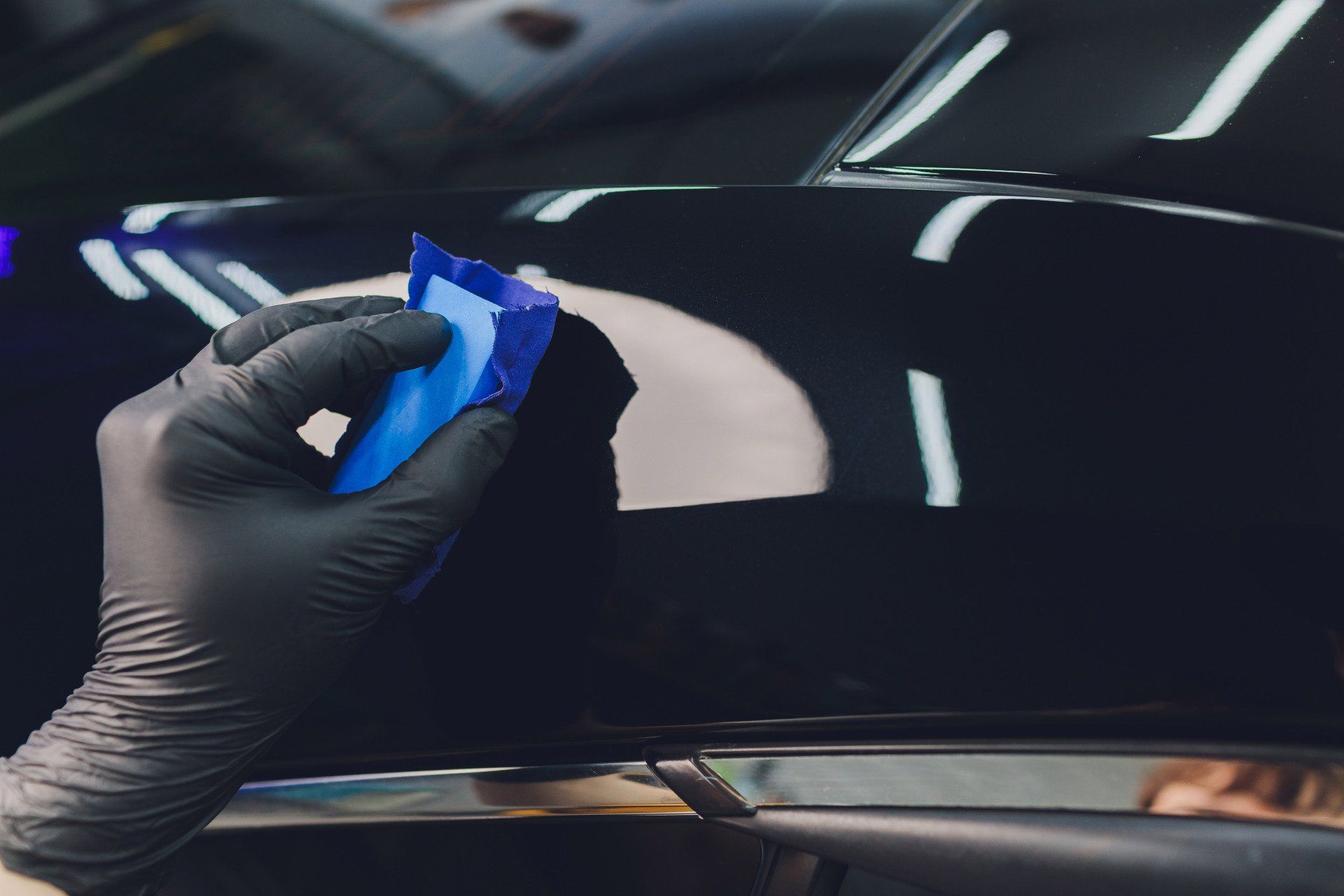
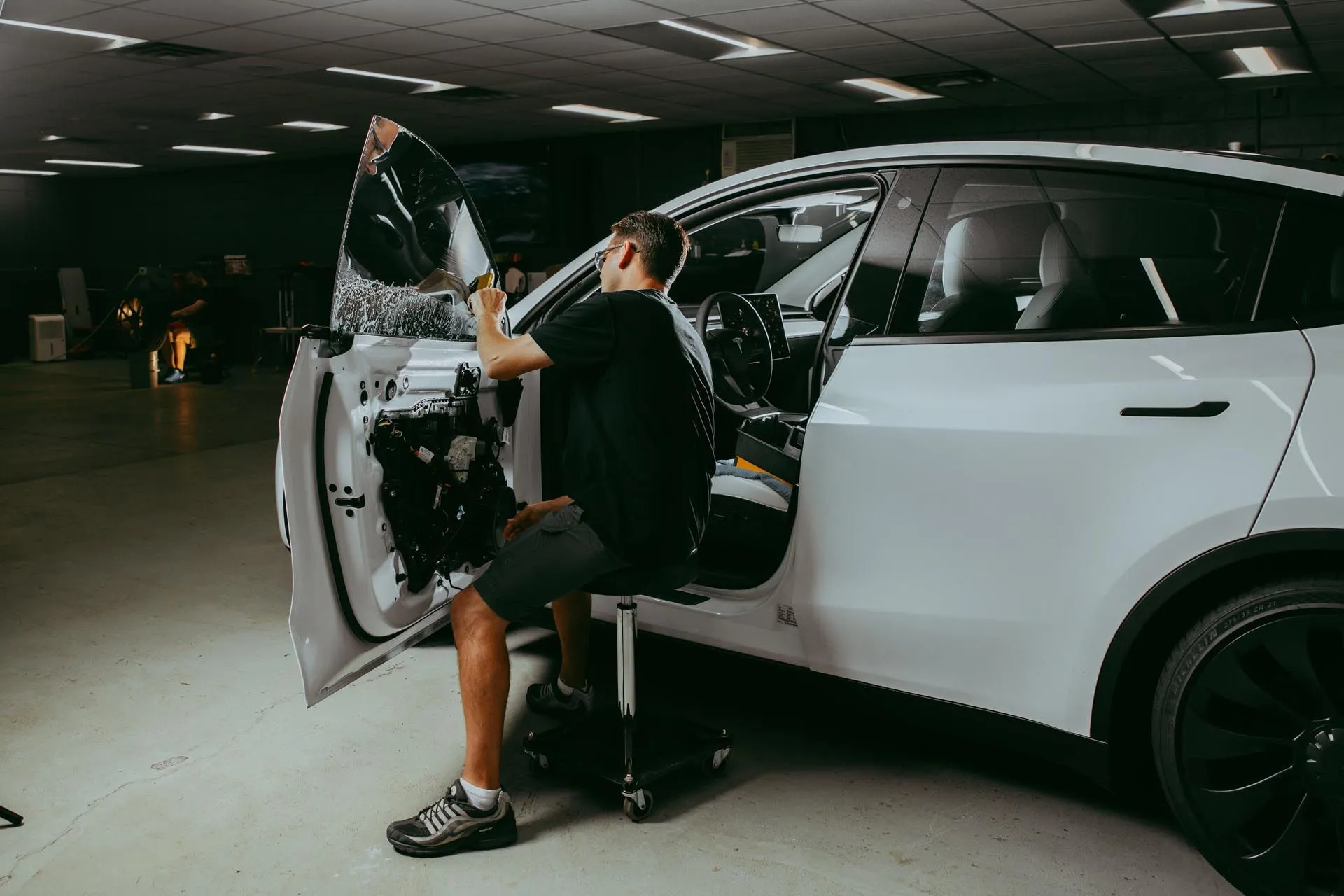
Walk around a freshly tinted vehicle and look closely. What you see tells you everything about the installation quality. Professional tinting should be nearly invisible as an installation - you notice the benefits, not the application.
Bubbles are your first warning sign. Quality installations shouldn't have bubbles once the tint has properly cured. Persistent bubbles indicate poor technique or contaminated film.
Check the edges carefully. Film should be cut precisely with consistent gaps along all edges. These gaps should be uniform - typically a small margin from the edge to avoid interference with window seals. If gaps vary wildly or film extends onto rubber seals, the installer either rushed or lacks proper experience.
Color consistency matters too. Quality film maintains uniform shade from window to window. If your rear windows look noticeably different from side windows, something went wrong with the materials or application.
Purple or faded discoloration is the telltale sign of cheap films breaking down from UV exposure. Professional materials maintain their appearance over time without color changes.
Performance Differences: Beyond What You Can See
Visual quality matters, but performance separates good tint from great tint. Cheap installations might look acceptable initially, but fail to deliver the benefits you're paying for.
Heat rejection is where the difference really shows. Cheap tint blocks light but doesn't effectively reject heat. You'll still feel your car baking in the sun, even with dark windows. Professional films use advanced technology to reject infrared heat while allowing visible light through.
Key performance factors include:
- UV protection that blocks harmful rays
- Infrared heat rejection that keeps interiors cooler
- Glare reduction from the sun and headlights
- Interior protection preventing fade and cracks
Professional tint performs consistently over time. Cheap tint degrades, losing whatever benefits it provided initially. Your vehicle's upholstery and dashboard are less likely to fade or crack with quality protection.
Installation Environment: Red Flags to Watch For
Where and how window tint gets installed matter as much as the materials used. The environment during installation affects the final result in ways most people don't consider.
Professional installation requires proper preparation and clean conditions. Dust and debris during installation become permanent defects that you'll see every time you look at your windows.
Watch for these warning signs:
- Outdoor or uncontrolled environment installations
- Dusty or dirty work areas where contamination can reach wet film
- Rushing through installation instead of taking time for precision
- Multiple vehicles are being worked on in the same space
Quality installers take time to prepare properly. They clean thoroughly before starting each installation and work methodically to avoid mistakes. Professional window tinting installation ensures your vehicle not only looks sleek and stylish but also provides practical benefits.
Material Quality: What You're Actually Paying For
Not all window film is created equal. The material itself determines how long your tint lasts and how well it performs.
Carbon film uses carbon particles and provides good heat rejection. It represents quality protection and won't fade or change color over time. This is what professional shops typically recommend for reliable performance.
Ceramic film is the premium choice. It uses ceramic particles that provide maximum heat rejection without darkening windows excessively. Ceramic films block infrared heat and reject UV rays effectively while maintaining their performance.
At Austin's Clean Cars Auto Detailing, we offer both options. Our SunTek Carbon CXP Window Tint Film package gives drivers an affordable option in privacy and protection. For those wanting the highest amount of infrared heat rejection and UV resistance, our SunTek CIR Ceramic Window Tint Film package with nano-ceramic construction provides the absolute best investment.
Quality shops explain material differences and let you choose based on your needs and budget. Red flag shops push the cheapest option without discussing alternatives or performance differences.
Long-Term Durability: The Real Test
The true test of quality window tint happens over months and years, not days. Durability differences become obvious as time passes.
Adhesive quality determines how well the tint stays attached to the glass. Cheap adhesive fails over time, causing film to bubble, peel at edges, or separate from glass entirely.
Signs of poor durability:
- Bubbling that appears after installation
- Edge peeling, where the film separates from the glass
- Color fading or shifting that changes the appearance
- Scratches from normal use and cleaning
Professional installers stand behind their work. Ask about what coverage is provided and what happens if problems develop after installation.
Legal Compliance: Avoiding Costly Problems
Window tint laws exist for safety reasons, and violations can result in tickets, failed inspections, and forced removal. Professional installers ensure compliance with local regulations.
Indiana has specific regulations about window tint darkness and reflectivity. Rules have been established to keep you and your passengers safe while driving. Window tint film darkness is measured in Visible Light Transmission (VLT) percentages.
Indiana tinting requirements:
- Non-reflective window tint film strip allowed above the manufacturer's AS-1 line on the windshield (traditionally the top 6 inches)
- All front driver and passenger side windows on all sizes of vehicles require 30% VLT
- Smaller vehicles require 30% VLT for rear driver and passenger side windows AND rear windshields
- Larger vehicles have NO darkness limitations for rear windows and rear windshields
- No window tint film can be more than 25% reflective
It is mandatory to comply with these rules and regulations as set forth by the Indiana Department of Transportation. At Austin's Clean Cars Auto Detailing, you will only get the correct percentage of VLT for your vehicle. We ensure compliance to protect you from legal problems and inspection failures.
Your Inspection Checklist: Making the Right Choice
When evaluating window tinting services, use this practical checklist to assess quality indicators. These questions help you separate professional shops from cheap operators.
Before installation, ask:
- What specific film brands and types do they offer?
- Can they explain material differences and performance benefits?
- How do they ensure compliance with local tinting laws?
- Can they show examples of previous work?
- What happens if problems develop after installation?
Check reviews from previous customers, focusing on long-term satisfaction, not just immediate results. Look for feedback about how the tint has held up over time.
Don't let price be your only consideration. Professional window tint is an investment in your vehicle's comfort, protection, and appearance.
Ready to Experience Professional Installation?
Understanding the difference between professional work and cheap installations helps you make informed decisions. You don't have to learn these lessons the hard way through expensive mistakes.
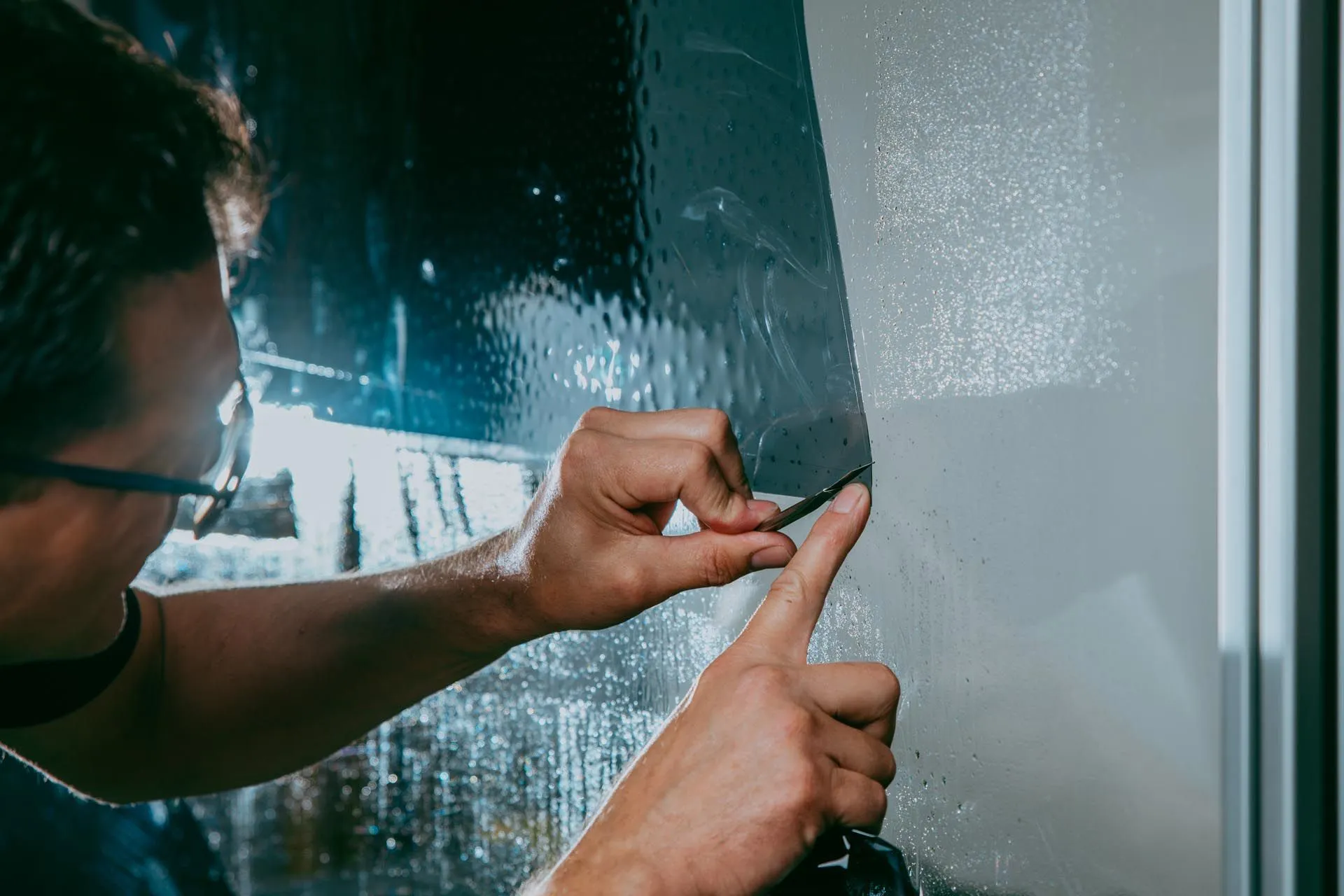
At Austin's Clean Cars Auto Detailing, we've built our reputation on professional installations using quality materials. Our Georgetown, Indiana, detailing shop provides window tinting that enhances your vehicle's appearance while delivering practical benefits that factory tinting cannot facilitate.
Window tinting is an investment in your vehicle's comfort, safety, and longevity. Professional installation acts as a protective shield against harmful UV rays and infrared heat of the sun, ensuring the interior of your vehicle remains cool even on the sunniest days. This means your vehicle's upholstery and dashboard are less likely to fade or crack under exposure.
Professional tinting also reduces glare from the sun and headlights, along with increasing interior privacy that deters break-ins. Whether you're interested in enhancing your vehicle's look or reaping the many functional benefits of window tinting, we have you covered.
Contact us today to discuss window tinting options for your vehicle. We'll explain the differences between our SunTek carbon and ceramic packages, ensure legal compliance with Indiana regulations, and provide honest recommendations based on your specific needs.
Frequently Asked Questions
What are the main differences between carbon and ceramic window tint?
Carbon window tint provides good heat rejection and won't fade or change color over time. It's an affordable option for quality protection. Ceramic tint uses ceramic particles that provide maximum infrared heat rejection and UV resistance with superior performance. The SunTek CIR Ceramic package with nano-ceramic construction keeps your car cooler and protects interiors more effectively than carbon options.
Will window tinting interfere with my electronics or GPS?
Quality window tint should not interfere with your electronics, GPS, or phone signals. Professional films are designed to allow radio frequencies to pass through while still blocking heat and UV rays. The products we endorse are engineered to provide protection without affecting your vehicle's electronic systems.
Can window tint be removed if necessary?
Yes, window tint can be removed if necessary, though the process requires care to avoid damaging the glass or leaving adhesive residue. Professional removal ensures clean results. However, quality tint properly installed rarely needs removal except for legal requirements or personal preference changes.
What causes window tint to turn purple?
Purple discoloration happens when cheap films break down from UV exposure. This is a sign of poor material quality. Professional carbon and ceramic films like our SunTek options maintain their original appearance because they use advanced materials that don't degrade from sun exposure.
How do I know if my window tint is legal in Indiana?
Indiana requires all front driver and passenger-side windows to have at least 30% VLT (Visible Light Transmission). Only a non-reflective strip above the AS-1 line is allowed on windshields. Different rules apply to rear windows based on vehicle size. Professional installers comply with Indiana Department of Transportation regulations. At Austin's Clean Cars Auto Detailing, you'll only get the correct percentage of VLT for your vehicle to ensure legal compliance.
Austins Clean Cars